
UK Heatwave and Drought 2026: How to Protect Your Garden
The UK is facing growing pressure from hot and dry weather, and gardens are among the places where the effects…
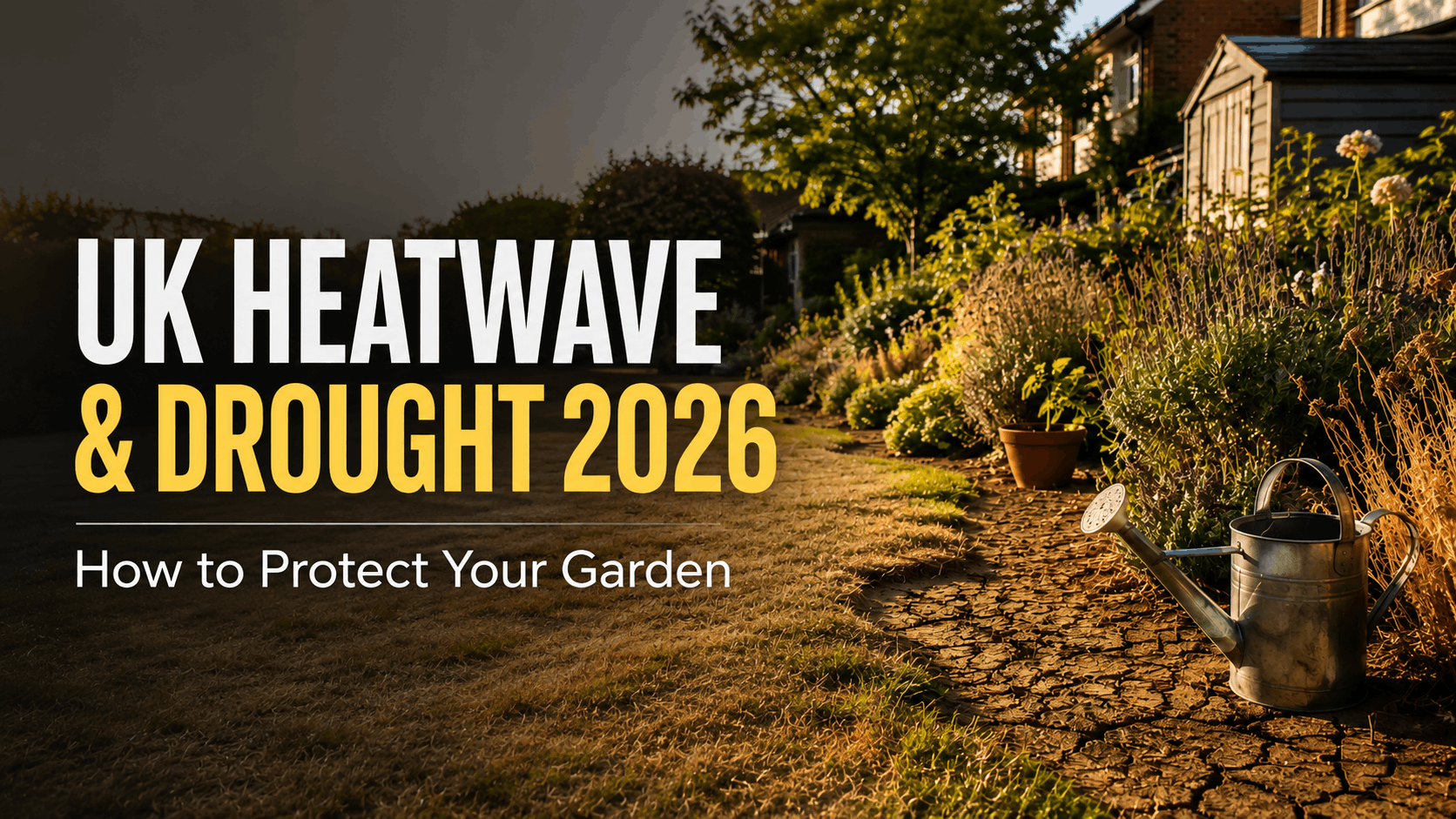
The UK is facing growing pressure from hot and dry weather, and gardens are among the places where the effects can become visible quickly. Lawns can turn brown, plants may wilt, containers can dry out faster, and gardeners may need to rethink how they use water.
The issue is particularly important in England, where drought conditions and water shortages have made efficient garden water use a bigger concern in 2026. The Royal Horticultural Society (RHS) has recently advised gardeners to reduce water use during extreme heat and drought while adapting gardens for hotter and drier conditions.
Why UK Gardens Are Facing More Pressure
Long periods of hot weather can increase the amount of water plants need while reducing the moisture available in soil.
The problem becomes more noticeable in exposed gardens, containers and newly planted areas. Plants that have not yet developed strong root systems can be particularly vulnerable during prolonged dry weather.
The RHS recommends using water carefully and adapting gardening practices rather than simply increasing watering whenever temperatures rise.
How Extreme Heat Affects Plants and Lawns
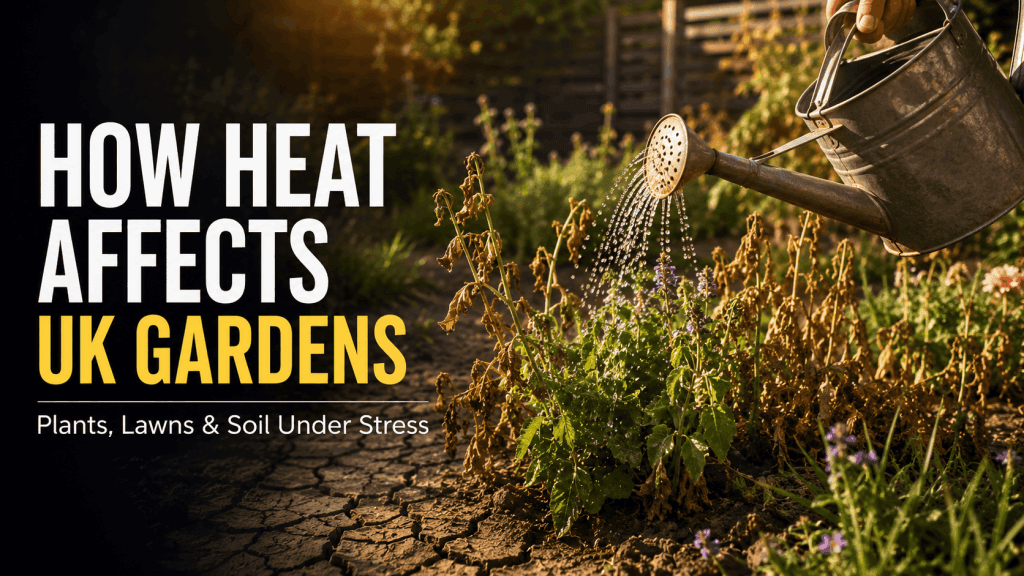
Heat and drought can affect different parts of a garden in different ways.
Grass may become brown or stop growing during very dry periods. While an established lawn can often recover when wetter conditions return, repeatedly watering large areas can use significant amounts of water.
Flowering plants may also show signs of stress. Leaves can wilt, curl or develop brown edges when the plant loses moisture faster than its roots can replace it.
Container plants often require more attention because pots have a limited amount of soil and can dry out quickly in warm weather.
Newly planted trees, shrubs and perennials also need particular care because their root systems are still developing.
How to Save Water During a Drought
One of the easiest ways to reduce garden water use is to improve when and how you water.
Watering early in the morning or later in the evening can reduce water loss through evaporation. Instead of giving plants frequent small amounts, gardeners can focus water around plants that genuinely need it.
Rainwater collection can also reduce reliance on mains water. Water butts connected to suitable roof downpipes can provide a useful supply for gardens during dry periods. The RHS recommends collecting and storing rainwater as part of more sustainable garden water management.
Gardeners should also check the condition of their soil. Healthy soil can hold and release moisture more effectively, helping plants cope with dry conditions.
Lawn Care During Hot and Dry Weather
A brown lawn does not always mean that the grass has died.
During prolonged dry weather, grass can enter a period of reduced growth and change colour. Avoiding unnecessary stress can help the lawn recover when rainfall returns.
Gardeners can consider raising the mower height slightly rather than cutting grass extremely short. Longer grass can provide more shade to the soil and reduce stress during hot conditions.
It is also important to avoid unnecessary mowing during periods when the lawn is already suffering from severe heat and drought.
Instead of trying to maintain a perfectly green lawn throughout every dry spell, homeowners can focus on keeping the grass healthy enough to recover naturally.
Protecting Plants and Containers
Container gardening requires special attention during hot weather.
Pots exposed to direct sunlight can become much hotter than surrounding garden soil. Smaller containers may lose moisture particularly quickly.
Moving vulnerable containers into partial shade can reduce heat stress. Gardeners can also group pots together to reduce exposure and make watering more efficient.
For established plants in borders, applying an appropriate mulch can help slow moisture loss from the soil surface. Mulching can also help moderate soil temperature and reduce competition from weeds.
However, gardeners should still check individual plants because different species have different water requirements.
Choosing Plants for a Drier Future
Extreme weather is also encouraging gardeners to think about long-term garden design.
Drought-tolerant plants can reduce the amount of water required once they become established. The RHS recommends choosing plants that suit the conditions of the garden, including its soil, exposure and local microclimate.
This does not mean replacing every garden with dry landscaping. Instead, homeowners can gradually introduce plants that are better suited to warmer and drier conditions.
Trees, shrubs and perennial plants can also provide long-term benefits when gardeners select varieties that match their growing conditions.
Professional Garden Care During Extreme Weather
Extreme weather can make routine garden maintenance more difficult, especially for homeowners who have large lawns, hedges or multiple outdoor areas to manage.
Tasks such as lawn maintenance, hedge cutting, garden clean-ups and wider property maintenance can become harder to keep up with during periods of unusual weather.
For homeowners who need help maintaining their outdoor spaces, professional services such as Home & Gardening Services can provide practical support with garden and property maintenance.
The key is to choose services that match the actual needs of the property rather than using additional water or intensive maintenance simply to keep a garden looking perfect during extreme weather.
Helping Wildlife During Hot Weather
Gardens can also become important sources of support for wildlife during prolonged heat.
Pollinating insects may struggle during extreme temperatures, while birds and other garden wildlife can face reduced access to water and food.
The RHS recommends practical steps to help pollinators during hot weather, including providing suitable food sources and helping create more hospitable garden conditions.
A garden with a mixture of plants, shrubs and trees can provide shade and habitat while also supporting biodiversity.
Even small changes can make a difference when many gardens experience the same weather conditions at the same time.
What Gardeners Should Avoid During a Heatwave
More watering is not always the best response to extreme heat.
Gardeners should avoid wasting water on plants that are unlikely to recover and should focus available water on valuable plants that genuinely need it.
The RHS has also advised gardeners to avoid several common mistakes during heatwaves and drought, including wasting stored water and carrying out unnecessary work that can further stress plants.
It is also worth checking local water-company rules before using hosepipes or other equipment during drought conditions, because temporary restrictions can apply in affected areas.
How UK Homeowners Can Prepare for Future Dry Summers
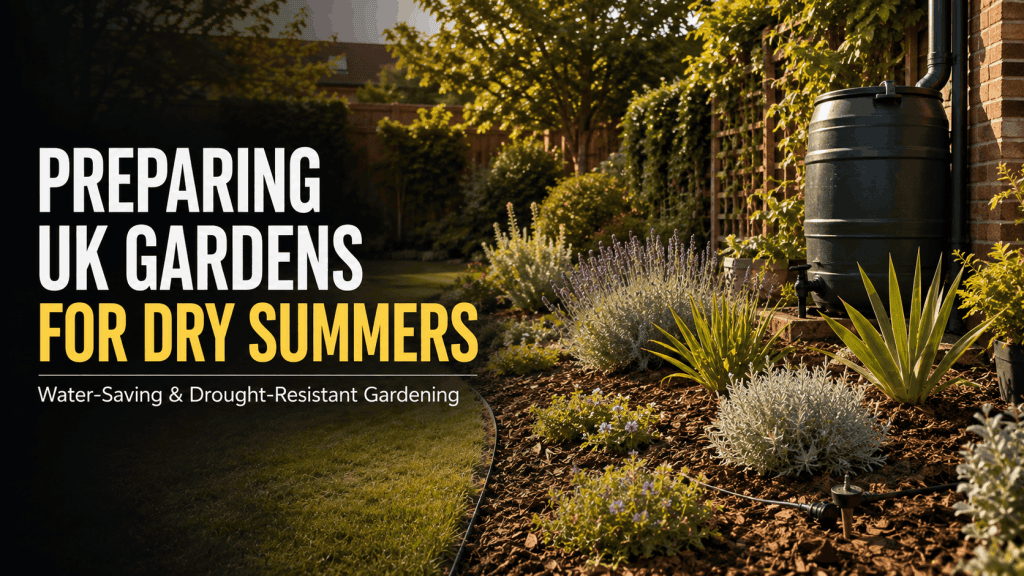
The best response to repeated heat and drought is not simply to water more.
Homeowners can make gardens more resilient by improving soil health, collecting rainwater, choosing suitable plants and reducing unnecessary water use.
Planning ahead can also make maintenance easier. Installing additional rainwater storage before dry weather arrives, improving drainage and selecting plants according to local conditions can all contribute to a more resilient garden.
Garden design can also balance different needs. Trees and planting can provide shade and help cool outdoor spaces, while permeable surfaces and healthy soil can help manage rainfall when wetter conditions return.
Extreme weather is also a good reminder to spend more time enjoying outdoor spaces and taking a break from screens. For more ideas on creating healthier digital habits, read our guide to Digital Detox in 2026.
Final Thoughts
The UK’s changing weather is making garden water management increasingly important.
For homeowners, the goal during a heatwave or drought should not always be to keep every part of the garden perfectly green. A better approach is to protect valuable plants, use water efficiently and make long-term improvements that help the garden cope with future weather extremes.
Rainwater collection, healthier soil, suitable plant choices and sensible lawn care can all reduce pressure on water supplies while helping gardens remain attractive and useful.
As hot and dry conditions become a recurring challenge, UK homeowners have an opportunity to create outdoor spaces that are not only easier to maintain but also better suited to the changing climate.

Comments
No comments yet. Be the first to comment!
Related Blogs
 Lifestyle
Why Digital Detox Is Trending in 2026
spidernewshub
Leave a Comment